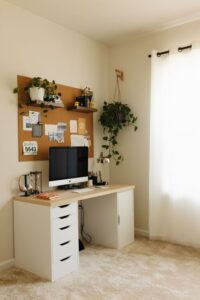
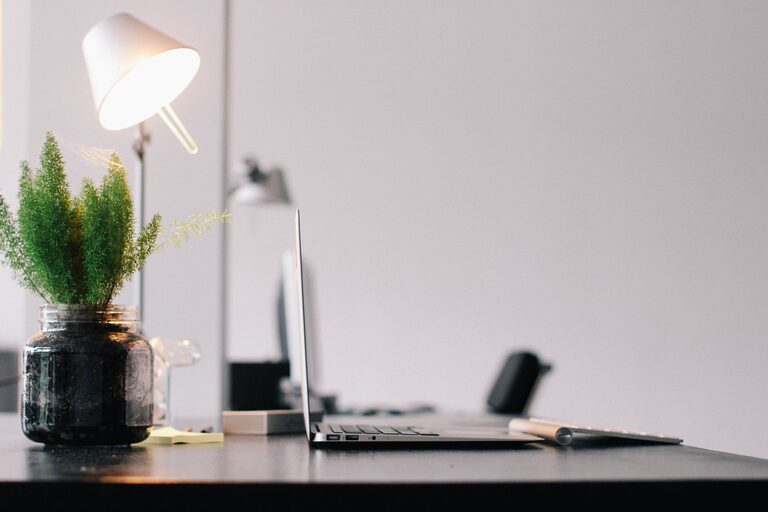
Creating a productive home office environment is essential for anyone working from home. Whether you’re freelancing, running a business, or simply working remotely part-time, having a dedicated and well-organised workspace can greatly improve your focus and work efficiency. Here are some helpful tips to design a home office that fosters productivity and balance.
Choose the Right Location
Selecting the best spot for your home office is the first step.
– Find a quiet area: Look for a room or corner with minimal distractions. Avoid high-traffic areas where family or housemates often pass by.
– Natural light is beneficial: Position your desk near a window if possible. Natural light can enhance your mood, reduce eye strain, and improve alertness.
– Consider privacy: If possible, use a separate door or space distinct from general living areas to mentally separate work from home life.
Invest in Comfortable and Ergonomic Furniture
Comfort plays a vital role in maintaining concentration throughout the day.
– Ergonomic chair: Choose a chair that supports your lower back and encourages good posture. Adjustability in height and backrest is important.
– Desk at correct height: Your desk should allow your forearms to rest parallel to the floor with your hands comfortably on the keyboard.
– Monitor placement: Your monitor ought to be at eye level and about an arm’s length away to reduce neck and eye strain.
Organise Your Space
A clutter-free workspace reduces distractions and keeps you focused.
– Use storage solutions: Shelves, filing cabinets, and desk organisers help keep documents and stationery tidied away.
– Cable management: Use clips or ties to keep cables neat and prevent tangling.
– Minimalism: Keep only what you regularly use on your desk to create a clean working environment.
Optimise Lighting
Good lighting is crucial for productivity and wellbeing.
– Balanced lighting: Combine natural and artificial light. Avoid harsh overhead lights or overly dim conditions.
– Task lighting: A desk lamp with adjustable brightness and direction can help when working on detailed tasks.
– Reduce glare: Position screens to avoid reflections from windows or lights, which can cause eye fatigue.
Set Up Technology Efficiently
Ensure your tech supports your work rather than disrupts it.
– Reliable internet connection: A strong and stable internet is critical for smooth video calls and research.
– Use quality peripherals: Invest in a good keyboard, mouse, and headset for comfort and clear communication.
– Backup systems: Use cloud storage or an external drive to back up important files regularly.
Create a Daily Routine
Structure and routine help maintain productivity.
– Set regular work hours: Define your start and finish times to separate work from personal time.
– Take breaks: Short breaks every hour can help refresh your mind. Stretch or take a walk to avoid stiffness.
– Dress for work: Dressing as you would in an office setting can psychologically prepare you for a productive day.
Personalise Your Workspace
Adding personal touches can make your office feel welcoming and motivating.
– Plants: Indoor plants improve air quality and add a calming touch.
– Decor: Photos, artwork, or motivational quotes can boost morale.
– Scent: Using a subtle scent like lavender or citrus may help reduce stress and increase focus.
Manage Noise and Distractions
Minimising interruptions is key to staying on task.
– Noise-cancelling headphones: These can be especially helpful in noisy households.
– White noise: Some people find that background white noise or soft music improves concentration.
– Clear boundaries: Communicate work times to others at home to reduce unnecessary interruptions.
Keep Healthy Habits in Mind
Your physical and mental wellbeing influence productivity.
– Hydrate: Keep a water bottle at your desk and drink regularly.
– Healthy snacks: Have nutritious snacks ready to maintain energy levels.
– Exercise: Incorporate physical activity into your day to reduce stress and increase alertness.
—
By thoughtfully designing your home office with these tips in mind, you can create a comfortable and effective workspace tailored to your needs. A productive environment not only improves your output but also enhances your wellbeing, making working from home a positive experience.